10 Signs a Hydraulic Pump Failure Is Imminent
2026-06-10
10 Signs a Hydraulic Pump Failure Is Imminent
Hydraulic piston pumps are indispensable components in various industrial and mechanical systems, from heavy machinery to construction equipment. However, like all mechanical parts, pumps wear out, and failure can lead to costly downtime and repairs. Recognizing the warning signs of impending pump failure can save you time, money, and unnecessary trouble.
1. Reduced Hydraulic Efficiency
A decrease in hydraulic pump efficiency is one of the most obvious signs that it is beginning to fail. If you find that the system is producing less pressure or flow than usual, this may indicate a decrease in the pump's power conversion efficiency. Efficiency loss may stem from internal wear, worn seals, or reduced volumetric efficiency due to internal leaks.
A decrease in hydraulic pump efficiency is one of the most obvious signs that it is beginning to fail. If you find that the system is producing less pressure or flow than usual, this may indicate a decrease in the pump's power conversion efficiency. Efficiency loss may stem from internal wear, worn seals, or reduced volumetric efficiency due to internal leaks.
2. Excessive Noise
Aside from the normal hum of operation, piston hydraulic pumps typically run quietly. If you start hearing unusual noises, such as grinding, screeching, or popping sounds, it may indicate an impending hydraulic pump failure. These noises could be caused by cavitation (air bubbles in the fluid), loose or damaged parts, misalignment of hydraulic pump components, or excessive housing pressure. Ignoring these unusual noises can lead to more serious damage and ultimately more expensive repairs.
Aside from the normal hum of operation, piston hydraulic pumps typically run quietly. If you start hearing unusual noises, such as grinding, screeching, or popping sounds, it may indicate an impending hydraulic pump failure. These noises could be caused by cavitation (air bubbles in the fluid), loose or damaged parts, misalignment of hydraulic pump components, or excessive housing pressure. Ignoring these unusual noises can lead to more serious damage and ultimately more expensive repairs.
3. High Operating Temperature
Overheating of the hydraulic system may indicate that the pump is overloaded or malfunctioning. Overheating can be caused by increased friction due to component wear, blockages, or improper oil viscosity, leading to pump overload. Monitoring system temperature and addressing overheating promptly helps prevent more serious damage to the pump and related equipment.
Overheating of the hydraulic system may indicate that the pump is overloaded or malfunctioning. Overheating can be caused by increased friction due to component wear, blockages, or improper oil viscosity, leading to pump overload. Monitoring system temperature and addressing overheating promptly helps prevent more serious damage to the pump and related equipment.
4. Unexplained Fluid Leaks
Hydraulic pumps require a stable flow of hydraulic oil to operate efficiently. If you notice leaks or frequent drops in fluid level without an obvious cause, there may be a problem with the pump itself. Leaking seals, cracked pump housings, or damaged joints are common causes of hydraulic piston pump failure. Initially, small leaks may seem insignificant, but they often indicate a more serious underlying problem that could lead to complete pump failure if left unaddressed. Even occasional drips can result in significant oil loss over time in a continuously running system.
Hydraulic pumps require a stable flow of hydraulic oil to operate efficiently. If you notice leaks or frequent drops in fluid level without an obvious cause, there may be a problem with the pump itself. Leaking seals, cracked pump housings, or damaged joints are common causes of hydraulic piston pump failure. Initially, small leaks may seem insignificant, but they often indicate a more serious underlying problem that could lead to complete pump failure if left unaddressed. Even occasional drips can result in significant oil loss over time in a continuously running system.
5. Pressure Drop or Unstable Flow
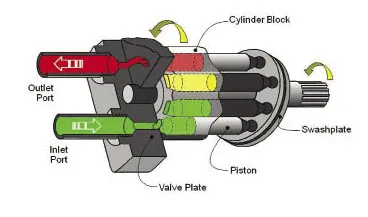
A decrease in the system's maximum pressure or fluctuations in flow can be a clear sign that the pump is about to fail. Pumps are designed to maintain stable pressure and flow characteristics. Any anomalies may indicate internal damage, such as wear on the piston, valve plate, pump body, bearing end face or cam ring, or vanes in a piston pump; wear on the piston, valve plate, bearing end face or cam ring, or vanes in a vane pump; and vane wear. Unstable flow may also indicate a blockage or problem in the pump's supply lines, preventing the pump from obtaining the required fluid.
A decrease in the system's maximum pressure or fluctuations in flow can be a clear sign that the pump is about to fail. Pumps are designed to maintain stable pressure and flow characteristics. Any anomalies may indicate internal damage, such as wear on the piston, valve plate, pump body, bearing end face or cam ring, or vanes in a piston pump; wear on the piston, valve plate, bearing end face or cam ring, or vanes in a vane pump; and vane wear. Unstable flow may also indicate a blockage or problem in the pump's supply lines, preventing the pump from obtaining the required fluid.
6. Increased Vibration or Movement
If your hydraulic pump starts vibrating excessively, it could be due to: internal component wear, poor oil supply or leaks in the tank supply lines leading to oil-air mixing, or excessive foam buildup in the tank (which could be due to cavitation or air ingress elsewhere in the circuit).
If your hydraulic pump starts vibrating excessively, it could be due to: internal component wear, poor oil supply or leaks in the tank supply lines leading to oil-air mixing, or excessive foam buildup in the tank (which could be due to cavitation or air ingress elsewhere in the circuit).
7. Unusual Odor or Smoke
If you smell a burning odor, or in extreme cases, see smoke coming from the pump, these are very dangerous signs. These warning signs usually indicate overheating of pump components, possibly due to fluid blockage, reduced lubricating oil flow, or other malfunctions causing metal parts to rub against each other, generating excessive friction. In the worst-case scenario, this could cause the water pump to completely seize up. If you notice any unusual odor or see smoke, immediately shut down the system and check the hydraulic pump for damage.
If you smell a burning odor, or in extreme cases, see smoke coming from the pump, these are very dangerous signs. These warning signs usually indicate overheating of pump components, possibly due to fluid blockage, reduced lubricating oil flow, or other malfunctions causing metal parts to rub against each other, generating excessive friction. In the worst-case scenario, this could cause the water pump to completely seize up. If you notice any unusual odor or see smoke, immediately shut down the system and check the hydraulic pump for damage.
8. Increase Maintenance Frequency
Another sign of hydraulic pump failure is that if you find your hydraulic system requires more frequent maintenance or parts replacement, this may indicate that your pump is wearing out faster than expected. A failing pump often forces other components to operate under overload, leading to more frequent failures. Tracking usage hours, maintenance frequency, and costs can help you predict when the pump will fail completely. This allows you to replace and install a new pump before it fails entirely.
9. Contaminated Hydraulic Oil
The quality of the hydraulic oil is crucial to pump performance. If you find the hydraulic oil is discolored, thickened, or contains metallic particles, it is likely that there is a problem with internal pump parts. Another type of contamination to watch out for is air bubbles, which cause bubbles to appear in the hydraulic oil. Hydraulic oil contamination can be caused by improper filtration, seal failure, or even failure of all connected hydraulic components, parts, and hoses.
The quality of the hydraulic oil is crucial to pump performance. If you find the hydraulic oil is discolored, thickened, or contains metallic particles, it is likely that there is a problem with internal pump parts. Another type of contamination to watch out for is air bubbles, which cause bubbles to appear in the hydraulic oil. Hydraulic oil contamination can be caused by improper filtration, seal failure, or even failure of all connected hydraulic components, parts, and hoses.
To prevent pump failure, fluid quality should be checked regularly, and fluid and filter elements should be replaced as necessary. Equally important, check fluid levels and keep tanks full.
10. Longer Start-up Time
An increased time required for the hydraulic pump to reach full pressure or to start up and operate normally indicates wear. Start-up delays can be caused by internal leaks, worn seals, or even air in the system. If you find that your equipment is not reaching its operational capacity as quickly as before, you may need to inspect the hydraulic pump to rule out potential problems.
An increased time required for the hydraulic pump to reach full pressure or to start up and operate normally indicates wear. Start-up delays can be caused by internal leaks, worn seals, or even air in the system. If you find that your equipment is not reaching its operational capacity as quickly as before, you may need to inspect the hydraulic pump to rule out potential problems.
Take Action Now While There's Still Time
If you notice any of the above signs in your hydraulic pump, do not wait until the system completely fails before taking action. Addressing pump problems early can prevent costly repairs, prolonged downtime, and potential damage to other equipment in the system.
Contact Sino Hydraulics today for high-quality replacement parts, expert advice, and preventative maintenance solutions to ensure your hydraulic system operates smoothly. We can also assist you in customizing your hydraulic system and provide the necessary replacement parts to ensure its proper functioning.
Tips and Tricks for Replacing a Hydraulic Pump
Related Article