Tips and Tricks for Replacing a Hydraulic Pump
2026-06-06
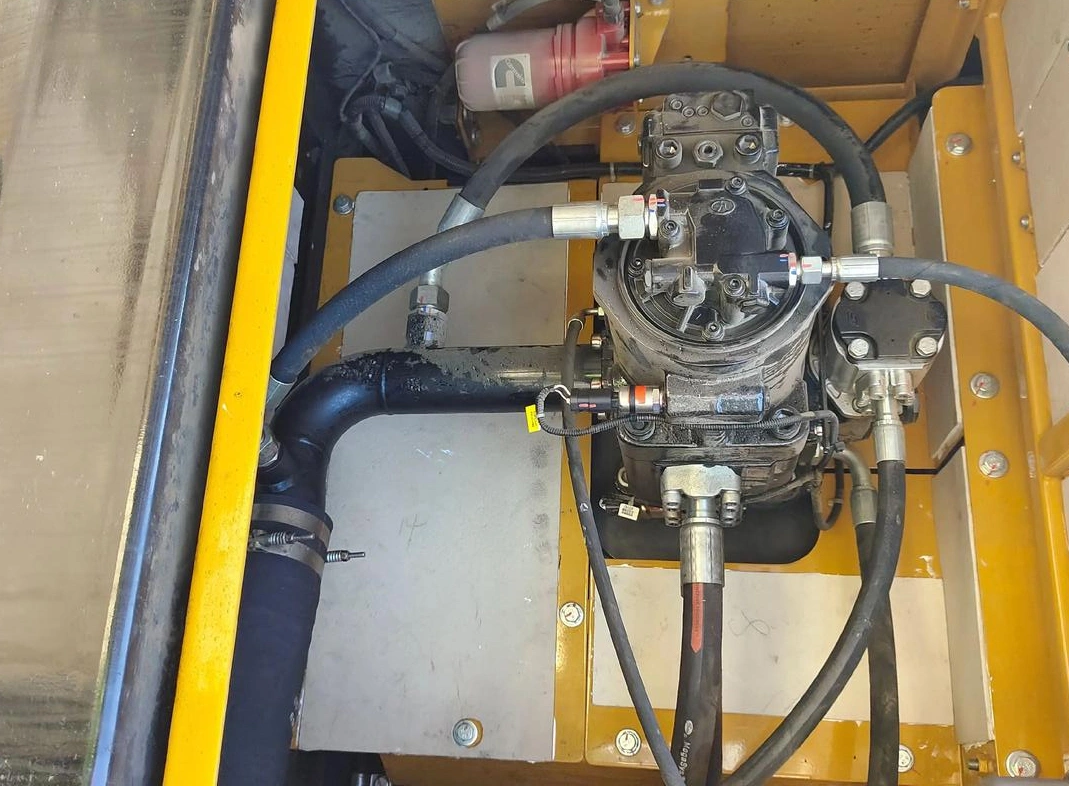
Tips and Tricks for Replacing a Hydraulic Pump
Hydraulic pumps are critical components in many pieces of machinery, powering essential operations in industries such as construction, agriculture, and manufacturing. Over time, these pumps can wear out or fail due to intensive use, leading to reduced system efficiency or even complete shutdown. Replacing a hydraulic pump may seem complex, but it can be easily done with the right approach, ensuring your machinery operates smoothly and reliably.
Understanding the correct replacement procedure is key to preventing further damage and extending system life. This guide provides essential tips and tricks to make the replacement process safe, efficient, and easy.
Hydraulic Pump Replacement Preparation
Before you begin, confirm that the problem lies with the hydraulic pump by checking for signs such as noise, leaks, or decreased efficiency. Prepare necessary tools, such as wrenches, cleaning supplies, and safety equipment, and ensure the system is powered off and depressurized to avoid hazards. Keeping the work area clean and well-prepared will help streamline the process and prevent further damage.
Before you begin, confirm that the problem lies with the hydraulic pump by checking for signs such as noise, leaks, or decreased efficiency. Prepare necessary tools, such as wrenches, cleaning supplies, and safety equipment, and ensure the system is powered off and depressurized to avoid hazards. Keeping the work area clean and well-prepared will help streamline the process and prevent further damage.
How to Replace a Hydraulic Pump
Replacing a hydraulic pump typically involves several steps, but the specific replacement procedure may vary depending on the system design and specifications. Always refer to the manufacturer's manual for detailed instructions specific to your equipment. 1. Draining the Hydraulic Oil
First, carefully drain the hydraulic oil from the system. Use a container to catch the oil and prevent spillage, and follow these tips:
Replacing a hydraulic pump typically involves several steps, but the specific replacement procedure may vary depending on the system design and specifications. Always refer to the manufacturer's manual for detailed instructions specific to your equipment. 1. Draining the Hydraulic Oil
First, carefully drain the hydraulic oil from the system. Use a container to catch the oil and prevent spillage, and follow these tips:
(1) Open the system's drain valve or remove the reservoir cap.
(2) Allow the liquid to drain completely, ensuring there is no residual liquid in the pump.
(3) Dispose of the used hydraulic oil responsibly, complying with environmental regulations.
(4) Draining the hydraulic oil ensures a clean working environment and prevents contamination of the hydraulic oil during reassembly.
2. Disconnecting the Hydraulic Pump
After draining the fluid, the old pump can be disassembled. Here is an efficient disassembly method:
After draining the fluid, the old pump can be disassembled. Here is an efficient disassembly method:
(1) Mark all connections (hoops, wires, and connectors) for easy reassembly.
(2) Take photos of all piping connections.
(3) Use appropriate tools to loosen the bolts and remove the pump from the mounting bracket.
(4) Handle each component carefully to avoid damaging nearby parts.
(5) Disconnecting slowly reduces the risk of errors or damage.
3. Inspect Related Components
Before installing the new hydraulic pump, inspect surrounding components such as hoses, filters, and fittings. Check for signs of wear, cracks, or leaks, and replace any damaged parts. This proactive step ensures the entire system operates efficiently after reassembly. Thoroughly clean the reservoir and all related hoses and filters to ensure the system is completely clean after the new pump is installed.
Before installing the new hydraulic pump, inspect surrounding components such as hoses, filters, and fittings. Check for signs of wear, cracks, or leaks, and replace any damaged parts. This proactive step ensures the entire system operates efficiently after reassembly. Thoroughly clean the reservoir and all related hoses and filters to ensure the system is completely clean after the new pump is installed.
4. Install the New Hydraulic Pump
Once the system is ready and all components have been inspected, install the new hydraulic pump by following these steps:
Once the system is ready and all components have been inspected, install the new hydraulic pump by following these steps:
(1) Place the pump on the mounting bracket, align it correctly, and tighten the bolts evenly to secure it in place.
(2) Securely connect the hoses, wires, and fittings, being careful not to overtighten to avoid damage.
(3) Add the correct hydraulic oil to the system and bleed any trapped air.
(4) Check all connections for leaks and tighten if necessary to ensure the system is leak-free.
5. Common Challenges and Solutions
Replacing a hydraulic pump can present some challenges, but understanding how to address these challenges can save time and effort. Here are some common problems and solutions:
Replacing a hydraulic pump can present some challenges, but understanding how to address these challenges can save time and effort. Here are some common problems and solutions:
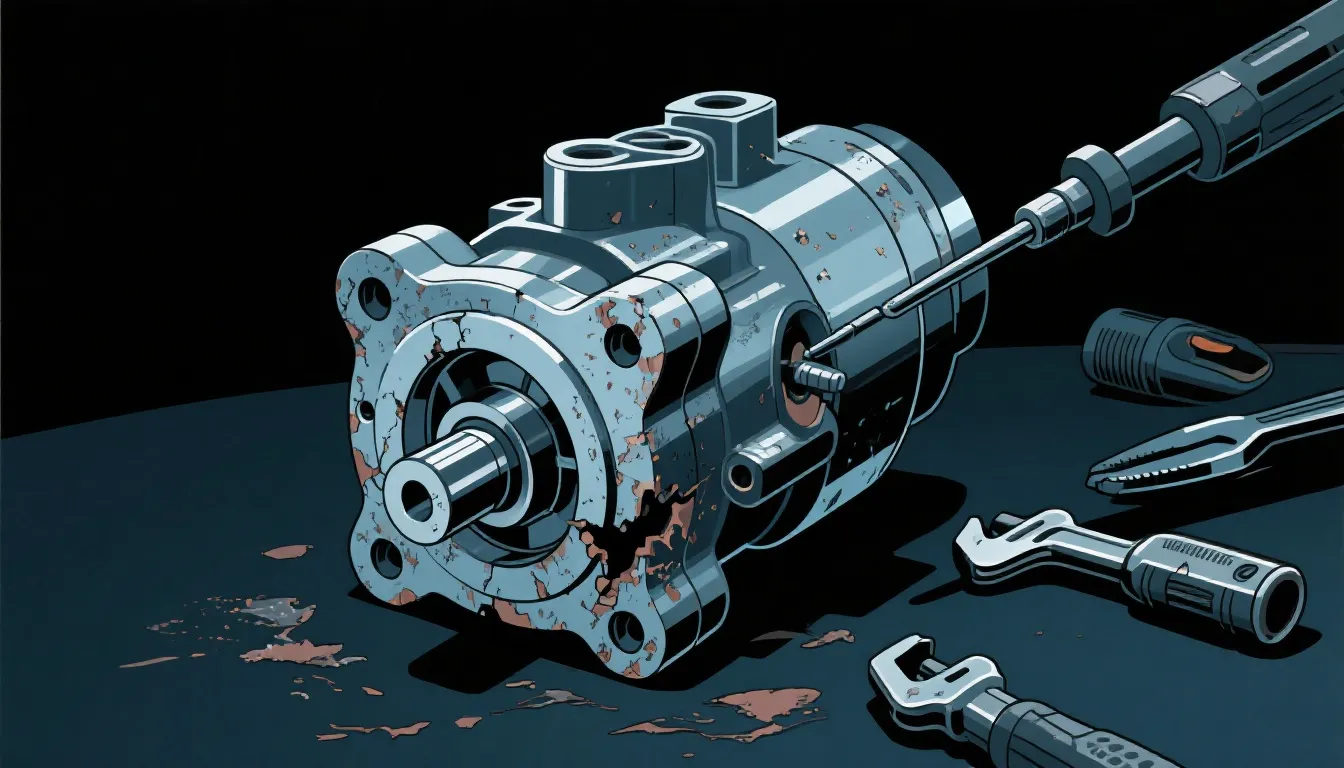
(1) Seized Bolts or Fittings: Over time, bolts and fittings may corrode or seize. Carefully loosen them using a lubricant spray or heat source, being careful not to damage the threads or parts.
(2) Improper Alignment: Misalignment of the pump can lead to inefficiency or premature wear. Use alignment tools or guides to ensure the pump is perfectly aligned with the system.
(3) Contamination Hazards: During hydraulic pump replacement, common hydraulic contaminants (such as dust and debris) can easily enter the system, causing long-term problems. Thoroughly clean the work area and components, and cover exposed piping to prevent contaminant entry.
6. Importance of Hydraulic Pump Maintenance
Proper maintenance of hydraulic pumps is crucial for ensuring system lifespan and efficiency. Regular maintenance not only prevents unexpected failures but also improves system performance and reduces operating costs. Key maintenance measures include checking hydraulic fluid levels and quality, checking for leaks, and replacing worn seals or filters.
Proper maintenance of hydraulic pumps is crucial for ensuring system lifespan and efficiency. Regular maintenance not only prevents unexpected failures but also improves system performance and reduces operating costs. Key maintenance measures include checking hydraulic fluid levels and quality, checking for leaks, and replacing worn seals or filters.
Neglecting maintenance can lead to high repair costs and prolonged downtime, disrupting your workflow. By proactively maintaining your hydraulic pumps, you can extend their lifespan and avoid the inconvenience of frequent replacements.
Choose Sino Hydraulics products to meet your hydraulic pump maintenance needs. Replacing a hydraulic pump is a critical task requiring the right tools, knowledge, and parts. Sino Hydraulics offers a complete range of high-quality hydraulic pumps and spare parts to meet diverse application requirements. Our durable and reliable products ensure the efficient operation of your machinery. Browse our extensive product range today to find the perfect hydraulic pump spare parts for your system!
10 Signs a Hydraulic Pump Failure Is Imminent
The Evolution of Hydraulic Technology in the Construction Industry