Hydraulic Motor Glossary
2026-05-23
Hydraulic Motor Glossary
Hydraulic motors are an essential component of many industrial and mobile systems, converting hydraulic energy into mechanical energy to perform a variety of critical tasks. These motors are widely used in construction, agriculture, shipbuilding, and manufacturing, among other fields. Understanding the technical terminology related to hydraulic motors helps engineers, technicians, and equipment operators to effectively design, install, and maintain systems.
This glossary outlines key hydraulic terms and definitions related to hydraulic motors, including common components and systems, as well as technical performance indicators.
1. Axial Piston Motor
This is a piston motor in which the piston moves parallel to the drive shaft. These motors are known for their high efficiency and ability to operate at high speeds and pressures. They are commonly used in mobile and industrial hydraulic systems where compact size and reliable performance are required.
This is a piston motor in which the piston moves parallel to the drive shaft. These motors are known for their high efficiency and ability to operate at high speeds and pressures. They are commonly used in mobile and industrial hydraulic systems where compact size and reliable performance are required.
2. Back Pressure
The flow resistance in hydraulic lines. Excessive back pressure reduces efficiency, causes component wear, and increases operating temperature.
The flow resistance in hydraulic lines. Excessive back pressure reduces efficiency, causes component wear, and increases operating temperature.
3. Bearing
Bearings are mechanical components that support the rotating parts inside a hydraulic motor. Bearings reduce friction and wear, and prevent damage from end or lateral loads, thus ensuring smooth operation and extending service life.
Bearings are mechanical components that support the rotating parts inside a hydraulic motor. Bearings reduce friction and wear, and prevent damage from end or lateral loads, thus ensuring smooth operation and extending service life.
4. Cavitation
Cavitation refers to the harmful phenomenon caused by bubbles/vapor forming in hydraulic oil due to a vacuum environment, which violently burst upon entering a high-pressure area. Cavitation corrodes internal components and degrades system performance. It is typically caused by poor fluid flow, clogged suction filters, motor overspeed, or improper system design.
Cavitation refers to the harmful phenomenon caused by bubbles/vapor forming in hydraulic oil due to a vacuum environment, which violently burst upon entering a high-pressure area. Cavitation corrodes internal components and degrades system performance. It is typically caused by poor fluid flow, clogged suction filters, motor overspeed, or improper system design.
5. Charging Pump
A small auxiliary pump used to maintain pressure in a closed hydraulic system. This charging pump keeps the circuit full and replenishes any oil loss due to housing leaks and internal leakage.
A small auxiliary pump used to maintain pressure in a closed hydraulic system. This charging pump keeps the circuit full and replenishes any oil loss due to housing leaks and internal leakage.
6. Closed-Loop System
In a hydraulic system, fluid flows directly between the pump and motor without returning to the tank. This design enables more precise control, faster response, and higher efficiency. Closed-loop systems are common in hydrostatic drives and mobile applications.
In a hydraulic system, fluid flows directly between the pump and motor without returning to the tank. This design enables more precise control, faster response, and higher efficiency. Closed-loop systems are common in hydrostatic drives and mobile applications.
7. Bidirectional Motor
This type of motor is designed to rotate both clockwise and counterclockwise. These motors are ideal for applications requiring reversible motion, such as winches and conveyors.
This type of motor is designed to rotate both clockwise and counterclockwise. These motors are ideal for applications requiring reversible motion, such as winches and conveyors.
8. Brake Valve
A valve that controls the stopping and holding of a load by controlling flow and preventing overshoot. It is typically used in conjunction with a hydraulic motor for lifting and moving applications.
A valve that controls the stopping and holding of a load by controlling flow and preventing overshoot. It is typically used in conjunction with a hydraulic motor for lifting and moving applications.
9. Drainage: The return line allows excess fluid or leaks to flow back to the tank from the motor housing. Proper housing drainage prevents internal pressure build-up behind the shaft seal, thus protecting the seals and bearings.
10. Accumulator: An accumulator is a pressure storage device used to store hydraulic oil under pressure for later use. Accumulators help manage system pressure fluctuations, maintain system pressure, and provide emergency power during failures.
11. Contamination: Hydraulic oil contains impurities and particles. Hydraulic oil contamination is a major cause of wear, seal failure, and system performance degradation. Common sources of contamination include dust, metal shavings, and water.
12. Cross/Cross-Line Relief Valve: This valve allows fluid to bypass from one side of the hydraulic motor to the other to prevent damage from sudden pressure surges. It is especially important in bidirectional circuits.
13. Directional Control Valve: Hydraulic valves are used to control the flow of fluid to specific components in a hydraulic system. These valves determine the direction of motor rotation and are crucial for system control.
14. Displacement: The volume of hydraulic oil displaced per revolution of the hydraulic motor. Typically measured in cubic centimeters or cubic inches. Displacement can be fixed or variable, and it is a key factor determining the motor's speed and torque output.
15. Efficiency
Efficiency is a general indicator of how effectively a hydraulic motor converts hydraulic energy into mechanical energy. Efficiency includes mechanical losses, hydraulic losses, and leakage. Higher efficiency means less energy is lost during operation.
Efficiency is a general indicator of how effectively a hydraulic motor converts hydraulic energy into mechanical energy. Efficiency includes mechanical losses, hydraulic losses, and leakage. Higher efficiency means less energy is lost during operation.
16. External Gear Motor
A gear motor is a motor consisting of two meshing gears within a housing. Fluid enters the motor and drives the gears to rotate, thus producing mechanical output. These motors are simple, reliable, and economical, but are generally less efficient than piston or vane motors.
A gear motor is a motor consisting of two meshing gears within a housing. Fluid enters the motor and drives the gears to rotate, thus producing mechanical output. These motors are simple, reliable, and economical, but are generally less efficient than piston or vane motors.
17. Fixed Displacement Motor
A fixed displacement hydraulic motor is a hydraulic motor with a fixed displacement that cannot be changed during operation. These motors provide constant speed and torque under stable flow and pressure conditions. Compared to variable displacement hydraulic motors, fixed displacement hydraulic motors are simpler in structure and generally less expensive.
A fixed displacement hydraulic motor is a hydraulic motor with a fixed displacement that cannot be changed during operation. These motors provide constant speed and torque under stable flow and pressure conditions. Compared to variable displacement hydraulic motors, fixed displacement hydraulic motors are simpler in structure and generally less expensive.
18. Flow Control Valve
A valve used in a hydraulic system to regulate flow. Controlling flow helps maintain motor speed and effectively manage system pressure.
A valve used in a hydraulic system to regulate flow. Controlling flow helps maintain motor speed and effectively manage system pressure.
19. Flow Rate: The amount of hydraulic oil that flows through a motor or component per unit time, usually measured in liters per minute (L/min). Flow rate affects motor speed and overall system performance. Matching the correct flow rate to the motor is crucial for its proper operation.
20. Gear Motor: A gear motor is a type of hydraulic motor that uses a set of rotating gears to generate power. Depending on the arrangement of the gears, gear motors can be classified as internal or external. They are known for their durability and low maintenance requirements.
21. Hydraulic Circuit: A network of interconnected hydraulic components used to perform a specific task. Depending on the design and application, the circuit can be open-loop or closed-loop.
22. Hydraulic Oil: Hydraulic oil is the medium used to transmit power in a hydraulic system, while also serving as lubricant and coolant. The type, cleanliness, and viscosity of the hydraulic oil have a significant impact on system performance, motor life, and overall reliability.
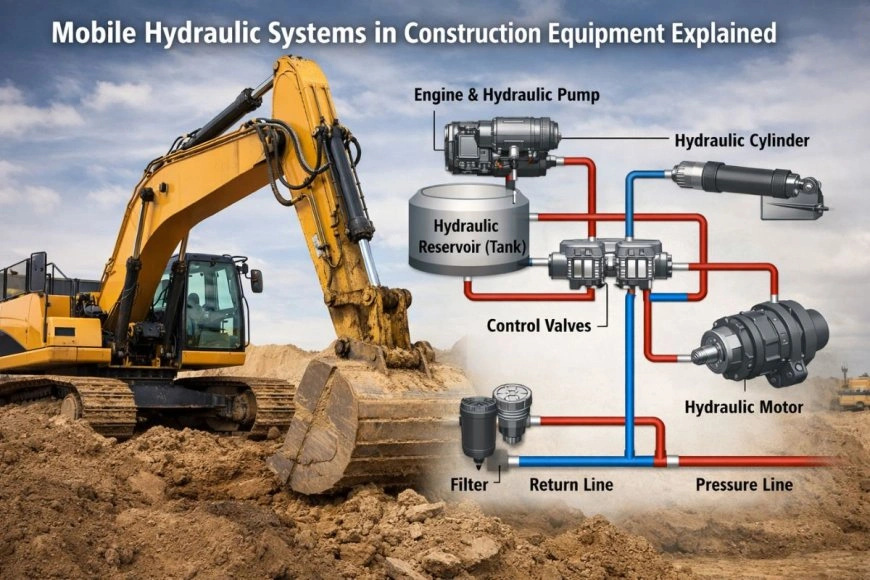
23. Hydraulic System: A hydraulic system consists of a series of components designed to transmit power using pressurized fluid. A typical hydraulic system includes pumps, valves, actuators (such as motors or cylinders), reservoirs, and filters. Hydraulic systems are widely used due to their high power density and precise control.
24. Internal Gear Motor
An internal gear motor is a type of motor with an internal gear structure, where one small gear is encased within another, larger small gear. Compared to external gear motors, this design offers smoother operation and better sealing. Internal gear motors are commonly used in applications requiring low-speed, low-noise operation and high torque.
An internal gear motor is a type of motor with an internal gear structure, where one small gear is encased within another, larger small gear. Compared to external gear motors, this design offers smoother operation and better sealing. Internal gear motors are commonly used in applications requiring low-speed, low-noise operation and high torque.
25. Load Holding Valve
This type of valve is designed to maintain a stable load position when the control valve is in neutral. It prevents unnecessary load movement and pressure loss.
This type of valve is designed to maintain a stable load position when the control valve is in neutral. It prevents unnecessary load movement and pressure loss.
26. Mechanical Efficiency
This measures the efficiency with which a motor converts hydraulic fluid into torque. Losses due to friction and component resistance reduce mechanical efficiency.
This measures the efficiency with which a motor converts hydraulic fluid into torque. Losses due to friction and component resistance reduce mechanical efficiency.
27. Open-Loop System
In a hydraulic system, fluid is drawn from a reservoir, flows through various components, and returns to the reservoir. Open-loop systems are simpler in structure and easier to maintain, but their control precision and efficiency may be lower than closed-loop systems.
In a hydraulic system, fluid is drawn from a reservoir, flows through various components, and returns to the reservoir. Open-loop systems are simpler in structure and easier to maintain, but their control precision and efficiency may be lower than closed-loop systems.
28. Operating Pressure
The pressure at which a hydraulic motor or system operates under normal operating conditions. Operating pressure affects the torque and power the motor can provide. Exceeding the rated pressure will damage components and shorten system life.
The pressure at which a hydraulic motor or system operates under normal operating conditions. Operating pressure affects the torque and power the motor can provide. Exceeding the rated pressure will damage components and shorten system life.
29. Overall Efficiency
This is a special type of efficiency that combines volumetric efficiency and mechanical efficiency. It reflects the overall performance of a hydraulic motor under operating conditions. High overall efficiency means the motor can efficiently convert fluid power into mechanical power and minimize losses.
This is a special type of efficiency that combines volumetric efficiency and mechanical efficiency. It reflects the overall performance of a hydraulic motor under operating conditions. High overall efficiency means the motor can efficiently convert fluid power into mechanical power and minimize losses.
30. Piston Motor
A hydraulic motor uses a piston to convert fluid pressure into the energy of mechanical motion. They include both axial and radial piston designs. Piston motors are typically used when high pressure, variable displacement, or high torque is required.
A hydraulic motor uses a piston to convert fluid pressure into the energy of mechanical motion. They include both axial and radial piston designs. Piston motors are typically used when high pressure, variable displacement, or high torque is required.
31. Precharge Pressure
Pressure is applied to the gas side of the accumulator before the liquid enters it. Proper precharge pressure ensures optimal accumulator performance.
Pressure is applied to the gas side of the accumulator before the liquid enters it. Proper precharge pressure ensures optimal accumulator performance.
32. Pressure
The force generated by hydraulic oil in a hydraulic system, usually measured in bar or pounds per square inch (psi). Pressure determines the motor's output power. The system must be designed to withstand specific pressure levels to ensure safety and performance.
The force generated by hydraulic oil in a hydraulic system, usually measured in bar or pounds per square inch (psi). Pressure determines the motor's output power. The system must be designed to withstand specific pressure levels to ensure safety and performance.
33. Reservoir
A tank used to store hydraulic oil for system circulation. It can also be used to cool hydraulic oil, degas, and settle contaminants.
A tank used to store hydraulic oil for system circulation. It can also be used to cool hydraulic oil, degas, and settle contaminants.
34. Stall Torque: The maximum torque a motor can produce without rotating. Exceeding this torque value will cause the motor to stall and become unable to overcome the load.
35. Surge Pressure: Rapid valve closure or load changes can cause a sudden increase in system pressure, which can often lead to damage. A sudden pressure surge can cause hose rupture or component damage.
36. Torque: The rotational force generated by a hydraulic motor. Torque depends on the motor's displacement and fluid pressure. Heavy loads or starting under load require higher torque.
37. Variable Displacement Motor: A variable displacement hydraulic motor can adjust its displacement during operation. This allows the motor to change its speed and torque without changing the flow rate or pressure. Variable displacement motors provide greater flexibility and control in dynamic systems.
Buy Hydraulic Motors and Parts from Sino Hydraulics
Sino Hydraulics offers a complete range of hydraulic motors, pumps, and hydraulic components for a wide range of applications. We also provide customized solutions to meet your specific needs. You can browse our products online or contact us today for consultation and support from our professional team.
Is a hydraulic pump a constant displacement pump or a variable displacement pump
Different Types of Hydraulic Pumps