Hydraulic Pump Cavitation A Potential Threat to System Performance
2026-05-07
Hydraulic Pump Cavitation: A Potential Threat to System Performance
Hydraulic pump cavitation is a subtle problem that can quickly escalate into costly failures. This cavitation occurs when bubbles form inside the pump and suddenly burst, damaging components and reducing efficiency.
Many operators often ignore this problem until severe wear or complete system failure occurs due to the lack of clear early warning signs. Understanding how to detect, prevent, and manage cavitation can ensure performance and save on costs.
What is Hydraulic Pump Cavitation?
Cavitation occurs when the pressure in a hydraulic system falls below the fluid's vapor pressure, leading to the formation of tiny vapor bubbles. When these bubbles move to areas of higher pressure within the pump, they implode, creating shock waves in the system. This is the essence of cavitation in hydraulic pumps.
There are two main types of cavitation:
Intake cavitation, which occurs when a vacuum (negative pressure) is created at the pump inlet;
Outtake cavitation, which occurs when the fluid is discharged from the pump at a rate exceeding the pump's delivery speed.
Intake cavitation, which occurs when a vacuum (negative pressure) is created at the pump inlet;
Outtake cavitation, which occurs when the fluid is discharged from the pump at a rate exceeding the pump's delivery speed.
In other words, the system's required flow rate exceeds the pump's delivery capacity. If left uncontrolled, pumps experiencing cavitation will gradually lose efficiency and suffer internal damage.
Causes of Cavitation in Hydraulic Systems
Many factors can lead to cavitation:
1. Low inlet pressure due to blockage in the suction line, collapsed or obstructed hoses.
2. High fluid temperature reduces viscosity, making it easier for vapor bubbles to form.
3. Pump design or installation problems, including improper size, misalignment, or excessively long suction lines.
4. Liquid contamination caused by air leaks, debris, or over-inflation.
These are the most common causes of cavitation in hydraulic systems, and understanding these causes is the first step in prevention.
Signs and Symptoms of Cavitation in Hydraulic Pumps
Cavitation often manifests through subtle clues:
1. A sound similar to gravel or marbles clattering inside the hydraulic pump.
2. Excessive vibration or pulsation in the system.
3. Sudden pressure drops or unstable flow.
4. Premature wear on seals, bearings, or impeller surfaces.
Early detection of these signs can save on costly repairs.
Impact of Hydraulic Pump Cavitation on System Performance
Uncontrolled cavitation in hydraulic pumps can lead to:
1. Erosion of the impeller and housing surfaces.
2. Reduced pumping efficiency forces the motor to work harder and consumes more energy.
3. Overheating accelerates fluid decomposition and damages seals.
4. Long-term equipment failure leads to costly downtime.
The physical damage caused by vapor bubble collapse is not a surface phenomenon but directly shortens the service life of critical components.
The physical damage caused by vapor bubble collapse is not a surface phenomenon but directly shortens the service life of critical components.
Hydraulic Cavitation Diagnosis
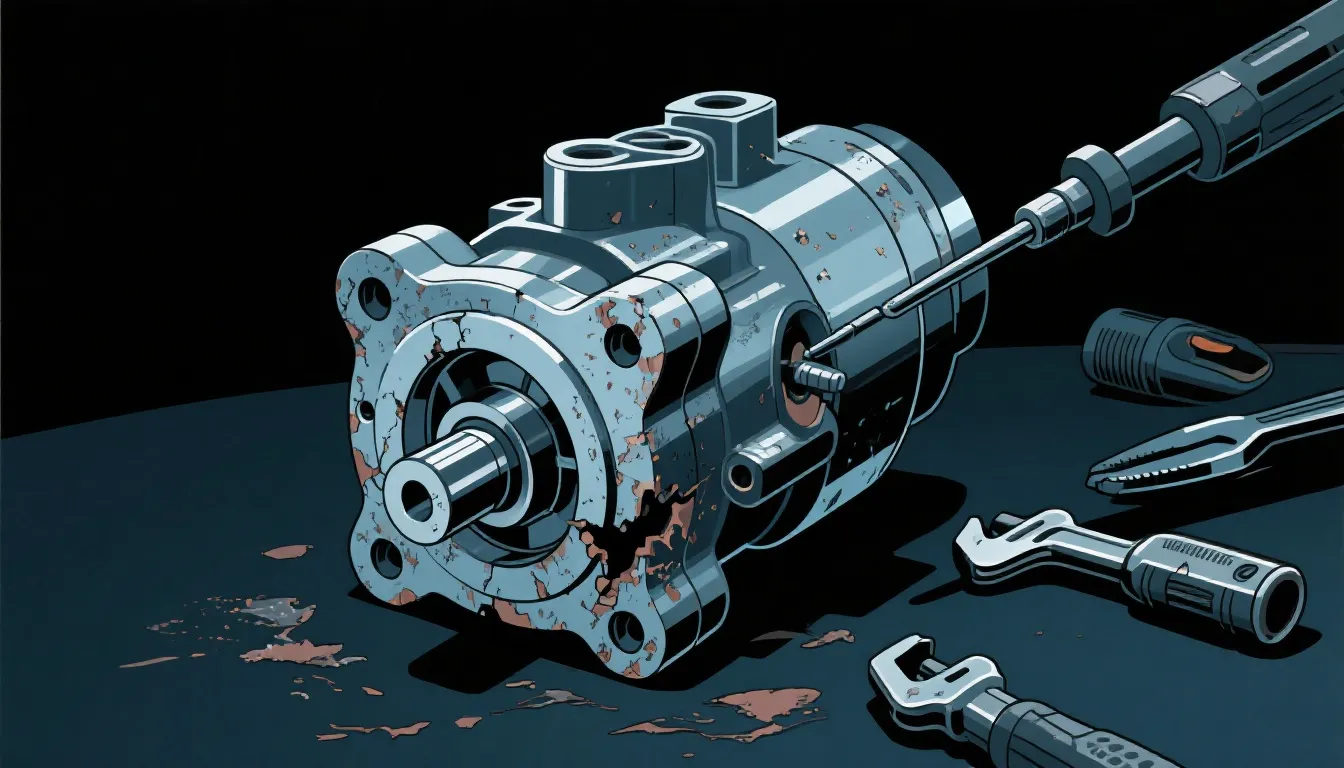
Confirming cavitation requires a combination of observation and measurement. Visual inspection can detect pitting or corrosion inside the pump. Monitoring noise levels and vibration can identify abnormal patterns. Checking inlet pressure and fluid conditions can also detect problems before serious damage occurs.
Confirming cavitation requires a combination of observation and measurement. Visual inspection can detect pitting or corrosion inside the pump. Monitoring noise levels and vibration can identify abnormal patterns. Checking inlet pressure and fluid conditions can also detect problems before serious damage occurs.
Preventing Hydraulic Cavitation
Prevention is far less costly than remediation. Key strategies include:
Prevention is far less costly than remediation. Key strategies include:
1. Maintaining proper intake conditions. Keep the fluid level adequate, clean the filter regularly, and ensure the intake line is unobstructed.
2. Monitoring fluid temperature and viscosity. Operate within the manufacturer's recommended range to reduce vapor generation.
3. Properly selecting and installing the pump. Follow specifications regarding line length, elbows, and pump capacity.
4. Regular maintenance. Early detection of leaks or blockages can prevent cavitation.
Hydraulic Pump Cavitation Repair and Mitigation
If cavitation has already caused damage, the root cause should be addressed immediately.
1. Replace or repair clogged filters, worn seals, or leaking lines.
2. Damaged gears and bearings need to be replaced.
3. If it's a design flaw or a long-standing problem, the system needs to be upgraded or the pump configuration replaced.
Keep Your Hydraulic System Smooth with Sino Hydraulics
Hydraulic pump cavitation can occur silently, but its impact on system performance cannot be ignored. Regular inspections, proper pump selection, and meticulous maintenance help you avoid this costly problem.
Hydraulic pump cavitation can occur silently, but its impact on system performance cannot be ignored. Regular inspections, proper pump selection, and meticulous maintenance help you avoid this costly problem.
At Sino Hydraulics, we supply a full range of hydraulic pumps, motors, and replacement parts designed to ensure your equipment always performs at its best. Our team of experts can help you select the right components and provide guidance to prevent problems such as cavitation from occurring in the first place.
Choose Sino Hydraulics' hydraulic solutions to protect your machinery and maintain optimal efficiency—Sino Hydraulics is your trusted partner, providing reliable performance.
Mechanical Systems and Hydraulic Systems
Top Ten Industries Using Hydraulic Systems