Top Ten Industries Using Hydraulic Systems
2026-04-29
Top Ten Industries Using Hydraulic Systems
Hydraulic machinery and equipment are ubiquitous. From lifting heavy objects to driving precision industrial hydraulic systems, hydraulic technology plays a role in countless processes and technologies. However, many people are unaware of the vast range of applications for hydraulic devices—far exceeding the construction or agricultural sectors.
Hydraulic systems are used to lift, move, crush, press, steer, and drive machinery of all sizes. Without hydraulic systems, many essential tasks would take longer, require more manpower, and in some cases, be impossible to complete.
What are the uses of hydraulic systems?
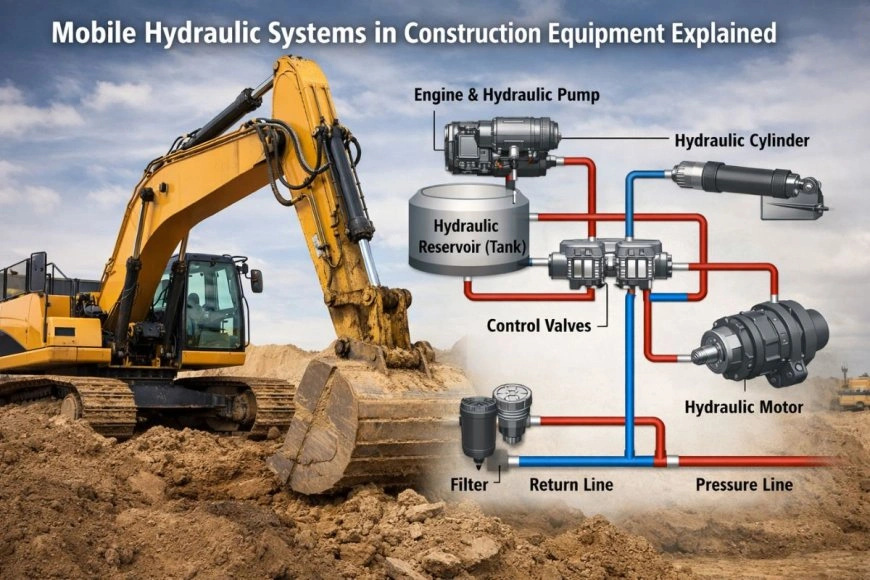
Hydraulic systems work by applying pressure to a fluid, thereby generating force at different points within the system to accomplish tasks. Because the pressure is evenly distributed throughout the fluid, the system can balance heavy objects and move them precisely.
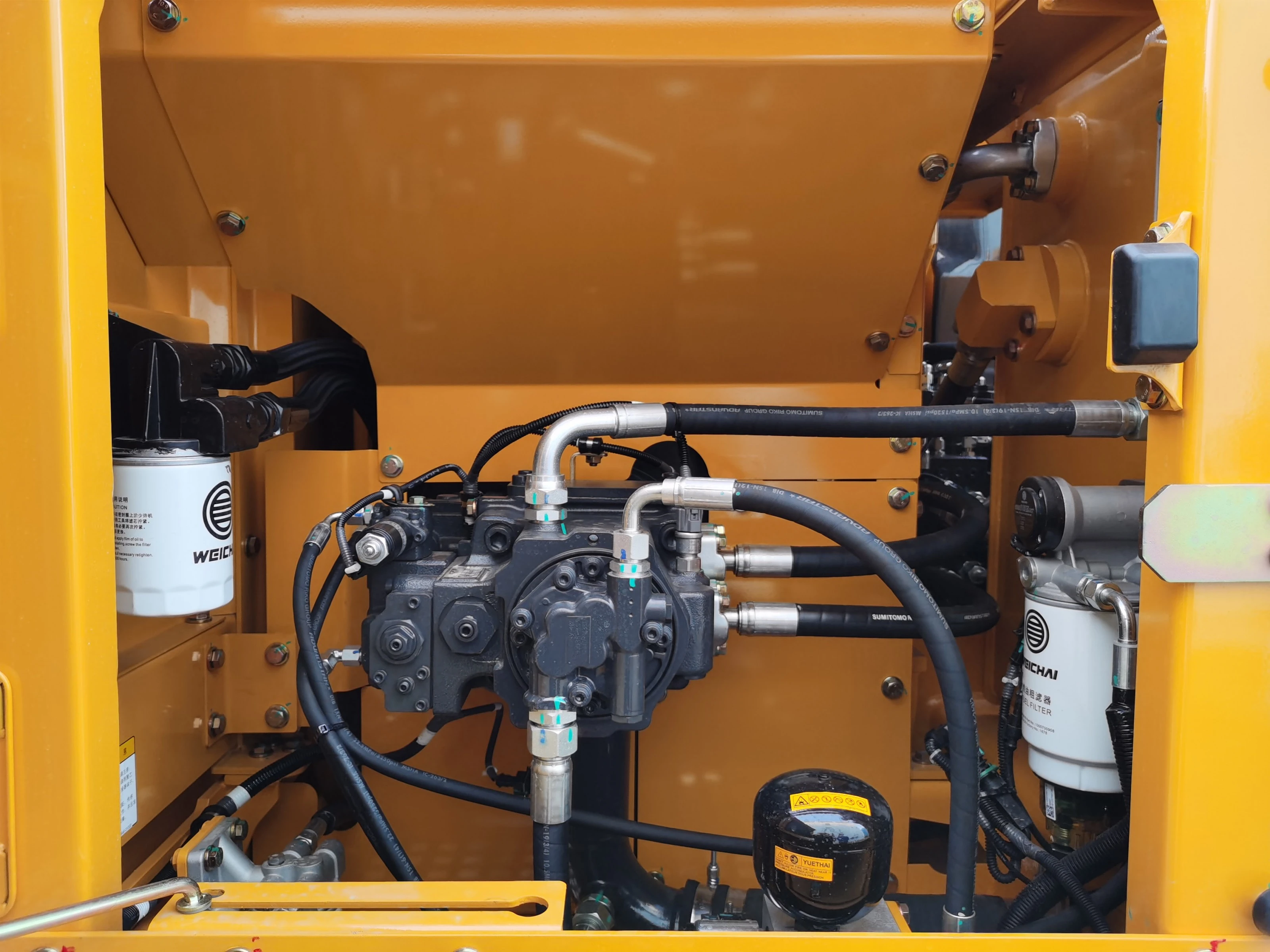
For example, the hydraulic pump in an excavator is driven by an engine or electric motor, extracting mechanical energy from the prime mover's output power and converting it into the pressure energy of the fluid, supplying pressurized hydraulic oil to the system. Essentially, it works by changing the volume of a sealed space: when the sealed volume increases, a vacuum is created, drawing in hydraulic oil; when the sealed volume decreases, the oil is squeezed out, generating high pressure. This process cycles continuously, ensuring a constant flow of high-pressure oil.
Some hydraulic systems are simple in structure, while others are extremely complex. From presses and cranes to aircraft landing gear and amusement park rides, hydraulic machinery powers critical processes in numerous industries.
What are the applications of hydraulic systems?
Hydraulic devices power critical processes in countless industries. From construction to aerospace, the hydraulic industry keeps modern life running smoothly.
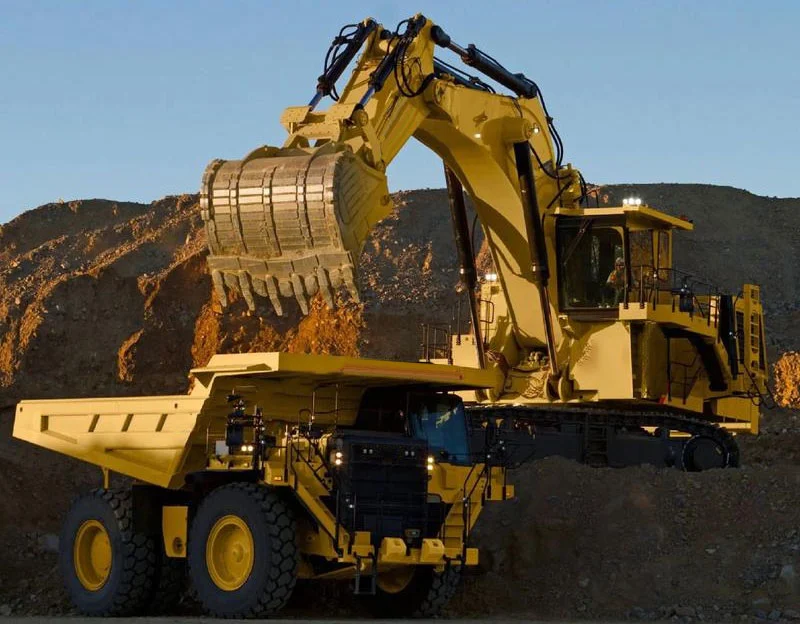
1. Construction Industry: Without hydraulic equipment, modern construction would be unrecognizable. Excavators, bulldozers, cranes, and concrete pumps all rely on hydraulic systems for digging, lifting, shaping, and moving. Even brick forming and large-scale concrete pumping are made more efficient by industrial hydraulic systems.
2. Agriculture Industry: From tractors to harvesters, hydraulic technology makes agricultural production faster and more efficient, significantly reducing labor intensity. Machines require minimal human labor to complete tilling, sowing, irrigating, and harvesting. This increased efficiency helps farmers around the world meet their growing food needs.
3. Entertainment Industry: Hydraulic systems add thrilling experiences to theme parks and cinemas. Roller coasters, water rides, drop towers, and simulators all rely on hydraulic systems to safely generate motion. In film and television production, hydraulic systems power a wide variety of devices and stunt equipment, from flipping cars to lifting heavy props.
4. Aerospace Industry
Hydraulic systems are indispensable in the aerospace industry. Aircraft rely on hydraulic systems to control landing gear, flaps, rudders, and cargo doors. Spacecraft and rockets also utilize hydraulic systems to drive telescopic booms, adjust payloads, and ensure stability. Their ability to deliver powerful thrust in a compact system is unparalleled by other systems.
Hydraulic systems are indispensable in the aerospace industry. Aircraft rely on hydraulic systems to control landing gear, flaps, rudders, and cargo doors. Spacecraft and rockets also utilize hydraulic systems to drive telescopic booms, adjust payloads, and ensure stability. Their ability to deliver powerful thrust in a compact system is unparalleled by other systems.
5. Energy Industry
Hydraulic technology is widely used in energy production. Wind turbines use hydraulic systems to adjust blade pitch, power plants use hydraulic systems to control valves and dampers, and offshore drilling platforms rely on hydraulic equipment for drilling and lifting operations. Even hydroelectric power plants use water pressure—a natural hydraulic force—to drive turbines.
Hydraulic technology is widely used in energy production. Wind turbines use hydraulic systems to adjust blade pitch, power plants use hydraulic systems to control valves and dampers, and offshore drilling platforms rely on hydraulic equipment for drilling and lifting operations. Even hydroelectric power plants use water pressure—a natural hydraulic force—to drive turbines.
A massive wind turbine, its blades spinning against a clear blue sky.
6. Automotive Industry
The automotive industry relies heavily on hydraulic technology in both production and the vehicles themselves. Stamping presses press panels, robotic arms perform welding and assembly, while hydraulic systems provide critical functions such as braking, clutches, and transmissions. Heavy-duty trucks and special-purpose vehicles also continue to use hydraulic steering and suspension systems.
The automotive industry relies heavily on hydraulic technology in both production and the vehicles themselves. Stamping presses press panels, robotic arms perform welding and assembly, while hydraulic systems provide critical functions such as braking, clutches, and transmissions. Heavy-duty trucks and special-purpose vehicles also continue to use hydraulic steering and suspension systems.
7. Healthcare Industry
Hydraulic systems also play a vital role in healthcare and accessibility. Hospital beds, operating tables, patient lifts, and walkers utilize hydraulic systems for safe and controlled movement. These applications highlight the role of hydraulic systems in improving the quality of care and enhancing patient independence.
Hydraulic systems also play a vital role in healthcare and accessibility. Hospital beds, operating tables, patient lifts, and walkers utilize hydraulic systems for safe and controlled movement. These applications highlight the role of hydraulic systems in improving the quality of care and enhancing patient independence.
8. Defense and Military Industry
Defense technology is another crucial area where hydraulic technology is essential. Tank, submarine, ship, and aircraft weapon systems all rely on hydraulic actuation. Hydraulic systems power turrets, armored doors, stabilizers, and missile launch systems, ensuring reliable operation even under extreme conditions.
Defense technology is another crucial area where hydraulic technology is essential. Tank, submarine, ship, and aircraft weapon systems all rely on hydraulic actuation. Hydraulic systems power turrets, armored doors, stabilizers, and missile launch systems, ensuring reliable operation even under extreme conditions.
9. Manufacturing
Manufacturing is one of the largest application areas for hydraulics. Presses, injection molding machines, die-casting machines, and forging equipment all rely on hydraulic power. Hydraulic systems also drive conveyor belts, lifting platforms, and automation systems, ensuring the smooth operation of global production.
Manufacturing is one of the largest application areas for hydraulics. Presses, injection molding machines, die-casting machines, and forging equipment all rely on hydraulic power. Hydraulic systems also drive conveyor belts, lifting platforms, and automation systems, ensuring the smooth operation of global production.
10. Waste Management Industry
Without hydraulic systems, waste management would be far more difficult. Garbage trucks use hydraulic cylinders to compress waste, recycling plants rely on balers to reduce material, and even household garbage compactors use hydraulic systems to save space. These systems ensure efficient and convenient waste transportation of all sizes.
Without hydraulic systems, waste management would be far more difficult. Garbage trucks use hydraulic cylinders to compress waste, recycling plants rely on balers to reduce material, and even household garbage compactors use hydraulic systems to save space. These systems ensure efficient and convenient waste transportation of all sizes.
Frequently Asked Questions
What are the industrial applications of hydraulic technology?
Hydraulic systems are widely used in manufacturing, construction, mining, defense, and energy production. They power excavators, presses, elevators, drilling rigs, turbines, and countless other types of heavy machinery.
What are the everyday applications of hydraulic technology?
Hydraulic systems are widely used in vehicles, elevators, medical equipment, garbage compactors, and even theme park rides. They provide smooth, powerful, and controllable movement for everyday systems.
Which professions use hydraulic technology?
Engineers, mechanics, machine operators, agricultural workers, and aerospace technicians all rely on hydraulic technology. Many jobs in manufacturing, transportation, and defense also rely on hydraulic expertise.
Powering Every Industry – Sino Hydraulics
Hydraulic systems are the unseen force behind almost every major industry. At Sino Hydraulics, we supply a full range of hydraulic components, including repair kits for precision hydraulic products such as hydraulic pumps and motors.
We offer over 2,000 specifications of hydraulic components, providing global customers with both readily available stock and customized solutions to meet your specific needs. Whether you require a complete hydraulic system or a single hydraulic unit, we ensure your business continues to operate.
Hydraulic Pump Cavitation A Potential Threat to System Performance
Hydraulic System Maintenance Checklist